
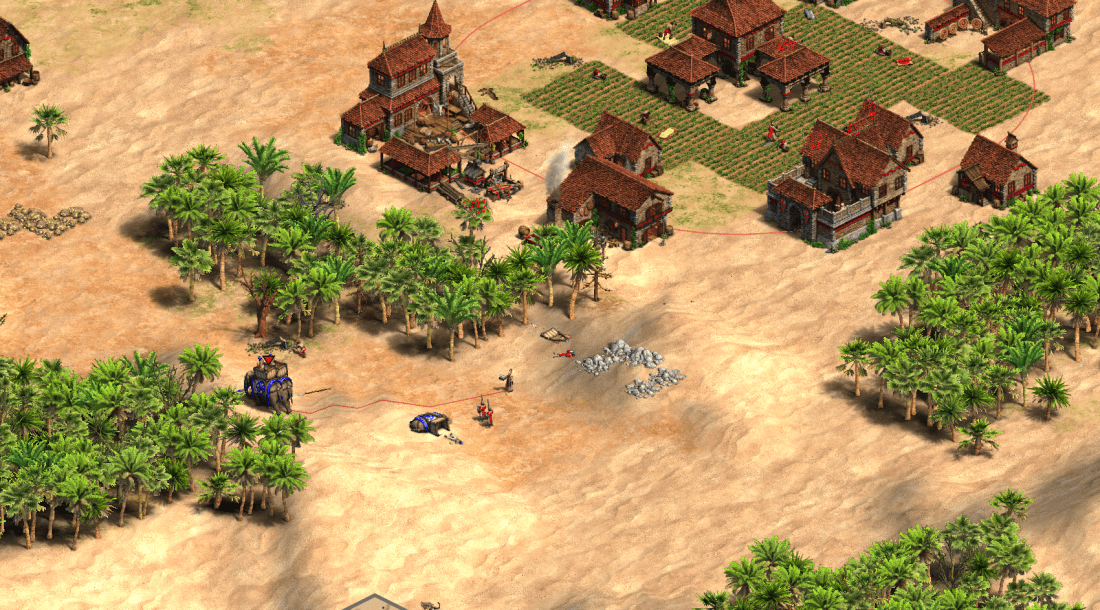

One of my fondest gaming memories is when my older brother and some of his friends—one of whose dad was an assistant principal at a school—went to a school over the summer and loaded up copies of Warcraft 2: Tides of Darkness onto desktops in the computer lab. Perhaps dubious by today’s standards, it was an awesome “LAN party” where we spent all morning playing games in teams and in free-for-all matches against each other.
In today’s blog post, we’ll take a deeper look at a genre that seems to be… fading. Or at least, not the powerhouse that it used to be.
Why Do People Love Real-Time Strategy Games?
First, let me tell you—I’m a pretty terrible real-time strategy game player. I think to be a good real-time strategy player, you need a brain that can multitask ten different things at once. That’s definitely not me.
Nonetheless, I’ve always enjoyed a good real-time strategy game. Something about the mixture of managing your economy, your units, and putting it all together creates a special experience. However, I think the classic real-time strategy game has struggled to find success from a sales perspective in recent years. One of the big hopes, Stormgate, is currently sitting at a peak player count of 126 as I write this blog. So, what’s the cause of this? Are the games just not as well-designed as they used to be? Maybe it’s simply a fading genre? Let’s dig into it.
The Downfall of the RTS Genre
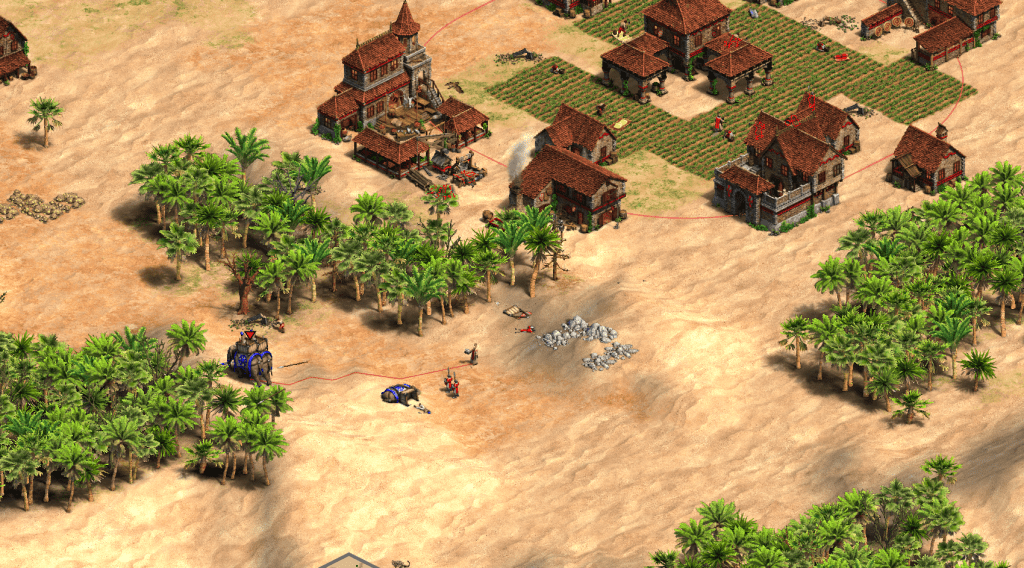
Interestingly, the real-time strategy genre has been doing well in the competitive scene. I watch an egregious amount of Age of Empires II, and the scene has seen an increase in A and S-tier tournaments in recent years. Yet, it’s the old-school/legacy RTS games like Age of Empires II or Starcraft that seem to still have the greatest popularity. Is it because those games were just better designed compared to modern titles?
I believe it’s because those games were masterfully designed, they’re rife with nostalgia, and due to the fact that there’s been extremely low innovation within the real-time strategy genre. However, real-time strategy has influenced the evolution of many other game series.
The Evolution of the Real-Time Strategy Genre
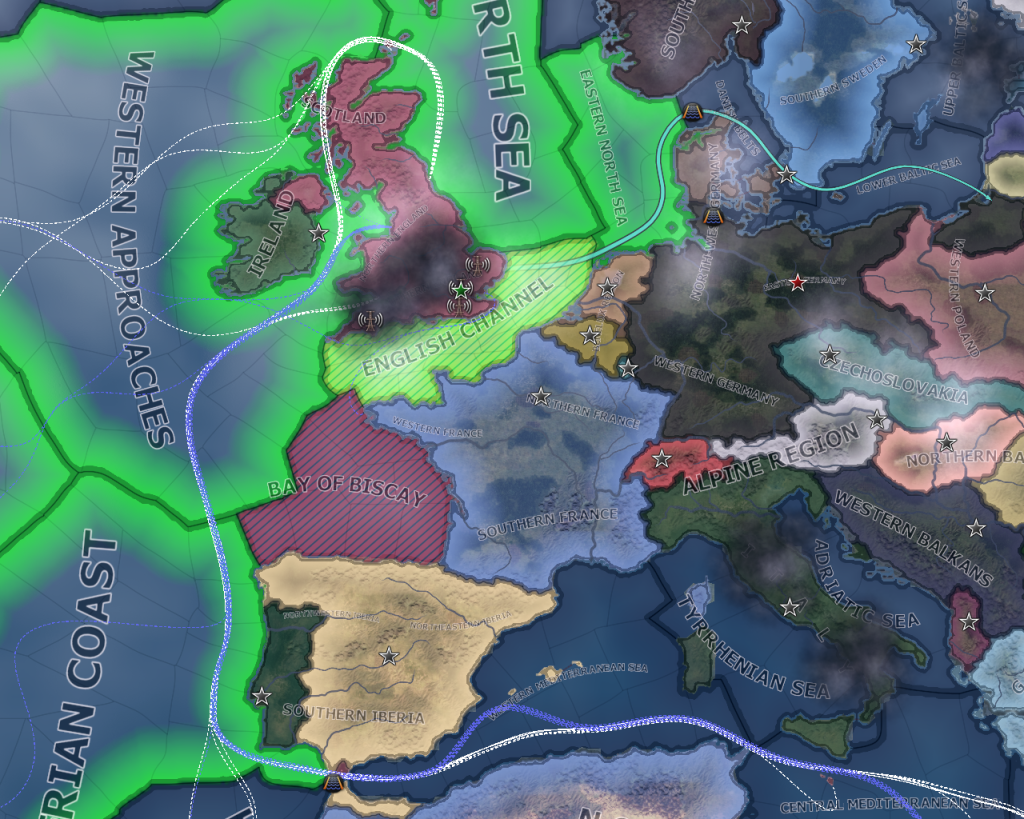
Hearts of Iron, Civilization, Stellaris. The next-gen version of real-time strategy games. They tend to focus less on the absolute insane multitasking and instead emphasize deep strategy and tactics to varying degrees. For olds like me, that’s a really nice way to make the game more approachable while adding depth.
Hearts of Iron IV allows for an incredible amount of randomization and replayability with tons of different countries, research options, focus trees, and unit types that enable varied play styles and unique games each and every time. That’s something many RTS games—often limited to just a few factions or civilizations—can’t emulate. I think it’s why Age of Empires II has seen continued success in recent years, offering a ton of variation in each match thanks to its many civilizations with unique play styles.
In fact, I believe there have been a lot of great real-time strategy games that don’t fit the traditional mold—games that require you to think, reason, and make tough decisions. Frostpunk comes to mind, where you’re in a race against deteriorating weather and must make difficult choices to ensure your people’s survival. Time and management are still important, but even just the ability to pause and slow things down to think is a great addition to strategy games.
Enter the New Real-Time Strategy Game
While the old strategy games still have popular followings and more recent entries have struggled, there’s finally been some innovation and niches that seem to have sparked interest in the genre. Battle Aces, which aims to remove the crazy multitasking aspect, could pose an interesting entry into the real-time strategy genre with a stronger focus on strategy and tactics.
Another game I’m excited for, Broken Arrow, focuses on the battle, or micro, aspects of the game with big strategic overtones. There’s no need to worry about intense base building, as it’s all about managing your units with a constant supply of reinforcement points that allow you to bring in new units over time.
So, Are RTS Games Officially Dead?
I think the ongoing success of games like Starcraft, Starcraft II, and Age of Empires II shows that the genre is clearly not dead, but there will need to be continued evolution for it to find success with new titles. Spin-off genres like grand strategy are a great option, but for those looking to keep the core mechanics in place, hopefully, some up-and-coming games like Broken Arrow can deliver more of that classic experience.
Anyways, that’s enough rambling for now. If you enjoyed the blog. If you did, consider adding to your bookmarks to come back for me. You can find me on YouTube, Bluesky, or feel free to join my Discord if you want to chat more about games! Or click on the links below to find my socials/other content.


 AllTalkAllGame
Leave a comment